
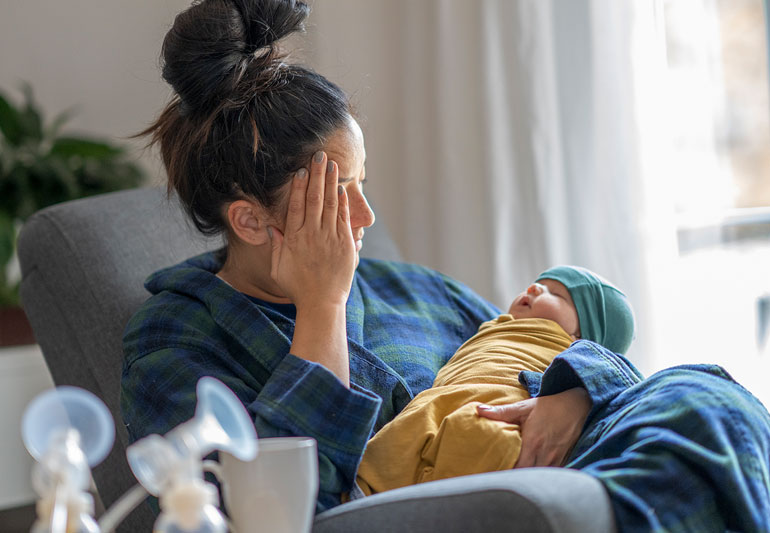
Welcoming a baby into your life, whether it’s your first or fifth, brings significant changes. Even the most joyful transitions can stir a mix of emotions.
Feeling a mixture of happiness and less positive emotions after childbirth is quite normal. You’re not alone in this experience, and these feelings are often temporary, usually fading within a few weeks. However, if they persist or intensify, recognizing the signs and knowing when to seek help is crucial.
We’ll delve into the distinctions between “baby blues,” postpartum depression, and postpartum anxiety, including their causes, symptoms, and when it’s time to consult a doctor.
Understanding Baby Blues
The baby blues are emotional fluctuations experienced by 70-80% of new mothers, characterized by mood swings, including spontaneous tears or feelings of sadness. Typically, these feelings are short-lived, subsiding within a few weeks post-birth, and don’t hinder your day-to-day functioning or sense of self.
Causes of Baby Blues
A combination of hormonal adjustments, fatigue, and adapting to life with a newborn contributes to these feelings. It’s normal and expected to feel occasional sadness or overwhelm during this adjustment period.
However, if feelings of sadness or worry are intense and persistent, you might be experiencing postpartum depression or anxiety, which requires professional support.
Postpartum Depression: An Overview
Postpartum depression is a severe condition that can occur after childbirth, marked by more intense and enduring symptoms of sadness and overwhelm than those of baby blues.
Symptoms of Postpartum Depression Include:
- Persistent sadness, worthlessness, or hopelessness
- A noticeable lack of interest in activities once enjoyed
- Symptoms lasting over two weeks
- Daily life interference due to severe sadness or overwhelm, possibly including changes in sleep or eating patterns, difficulty concentrating, and more
Postpartum Anxiety Explained
Postpartum anxiety involves intense worry, often centered around the baby or new parental responsibilities, leading to feelings of inadequacy. Despite these feelings, individuals with postpartum anxiety are usually very dedicated parents.
Symptoms of Postpartum Anxiety May Include:
- Excessive worry, especially concerning the baby’s well-being
- Persistent thoughts about achieving perfection in caregiving
- Experiencing panic attacks, characterized by sudden fear or anxiety and physical symptoms like shaking or dizziness
Causes and Prevalence
Both postpartum depression and anxiety can stem from similar factors as baby blues, such as hormonal shifts and personal or family history of mood disorders. About one in five women experiences postpartum depression or anxiety, with higher rates among women of color.
Can Fathers Experience These Conditions?
Indeed, fathers and non-birthing partners can also face baby blues, postpartum depression, or anxiety as they navigate new life changes and stressors. Data suggests that about 10% of new fathers undergo depression post-childbirth, with increased risks if the mother or birthing partner is depressed.
Duration of Postpartum Depression and Anxiety
The duration of postpartum depression or anxiety varies, typically emerging within the first four months after birth but can have a delayed onset. Without treatment, these conditions can last months or even years, underscoring the importance of seeking support early on.